Coupon Codes vs Cashback in India
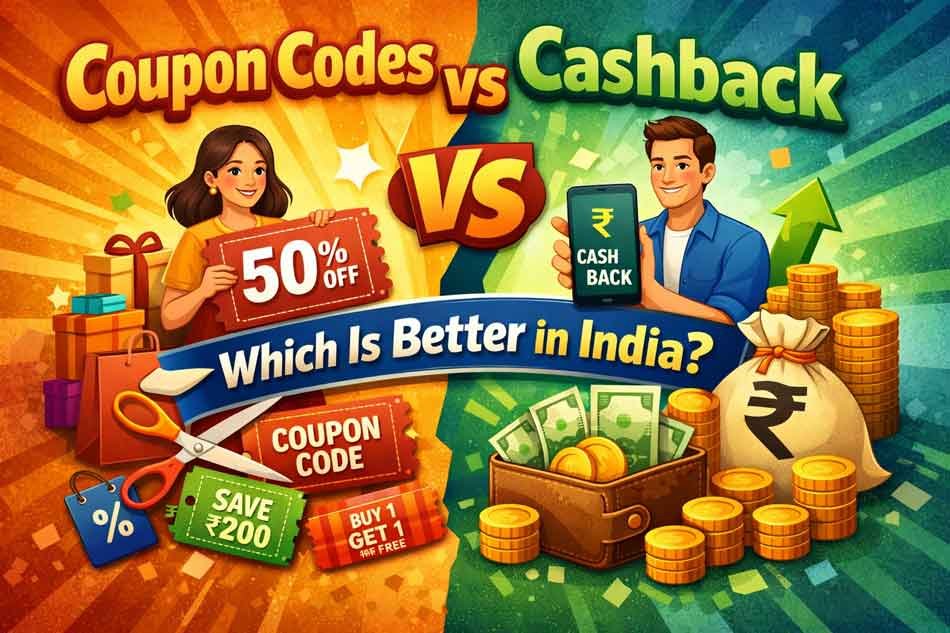
When it comes to saving money online, Indian shoppers are spoiled for choice. Two of the most popular methods—coupon codes and cashback offers—dominate the landscape. But which one actually puts more money back in your pocket? This comprehensive guide breaks down the pros, cons, and smart strategies for both, helping you make informed decisions for every purchase.
Understanding Coupon Codes
Coupon codes (also called discount codes, promo codes, or voucher codes) are alphanumeric strings that you apply during checkout to get an instant discount. They’re the digital version of traditional paper coupons.
Types of Coupon Codes Available in India:
Percentage-based Discounts
- Flat percentage off total order (10%, 20%, 50% off)
- Category-specific percentage discounts
- First-order special percentage discounts
Fixed Amount Discounts
- ₹100 off on orders above ₹500
- ₹500 off on electronics
- Flat discount regardless of order value
Free Shipping Offers
- No shipping cost on minimum order value
- Unlimited free shipping with membership
- Seasonal free shipping promotions
Buy-One-Get-One (BOGO) Deals
- Buy one, get one free
- Buy one, get percentage off on second item
- Bundle offers at reduced pricing
Free Gifts with Purchase
- Complementary products with minimum spend
- Free samples with beauty orders
- Mystery gifts during festival sales
Where to Find Reliable Coupon Codes in India:
- Dedicated coupon websites like CouponKhazana.com
- Store newsletters and email subscriptions
- Mobile apps of e-commerce platforms
- Browser extensions that auto-apply codes
- Social media pages and Telegram channels
- Credit card and bank partner offers
Understanding Cashback Offers
Cashback is a reward system where you get a percentage or fixed amount of your purchase returned to you after the transaction is complete. Unlike instant discounts, cashback involves a waiting period.
Types of Cashback Programs in India:
Direct Cashback from Retailers
- E-commerce stores with their own reward programs
- Credit card linked cashback offers
- App-specific cashback for mobile purchases
Cashback Aggregator Websites
- Platforms like CashKaro, GoPaisa, EarnKaro
- Comparison tools showing multiple cashback rates
- Additional rewards for using specific payment methods
Bank and Credit Card Cashback
- Card-specific percentages on categories
- Weekend or seasonal boosted cashback
- Special partner merchant offers
Wallet and UPI Cashback
- Paytm, PhonePe, Google Pay cashback
- Minimum transaction requirements
- Merchant-specific cashback promotions
The Cashback Process Flow:
- Sign up with cashback website/app
- Click through their link to merchant site
- Complete purchase as normal
- Track cashback in pending status (24-72 hours)
- Cashback confirms after return period ends (30-90 days)
- Withdraw to bank or use for next purchase
Head-to-Head Comparison: Coupon Codes vs Cashback
Instant Savings vs Delayed Rewards
Coupon codes provide immediate gratification—you see the discount right at checkout. Your payment amount is reduced instantly. Cashback, meanwhile, requires patience. You pay full price upfront and receive the reward weeks later, often after the return window closes.
Example: A ₹5,000 purchase with a 20% coupon means you pay ₹4,000 immediately. The same purchase with 20% cashback means you pay ₹5,000 now and receive ₹1,000 back after 60-90 days.
Success Rate and Reliability
Coupon codes have a notorious reputation for expiring without notice or having complex terms. “Code not working” is a common frustration. Cashback offers are more straightforward but come with their own tracking issues. Failed tracking is the biggest complaint in cashback communities.
Statistics from Indian shopping forums:
- Coupon code success rate: ~70-80% during non-sale periods
- Cashback tracking success rate: ~85-90% when using proper methods
- Resolution time for failed cashback: 2-4 weeks
- Coupon code customer support response: 24-72 hours
Maximum Savings Potential
Coupon codes often have caps (“Maximum discount ₹1,000”) while cashback is usually percentage-based without caps on high-value purchases. For expensive items like electronics, cashback can sometimes outperform coupons.
Smartphone Purchase Scenario:
- With coupon: ₹50,000 phone with 10% off coupon (max ₹3,000) = ₹47,000 final price
- With cashback: ₹50,000 phone with 8% cashback = ₹46,000 after cashback
- Winner: Cashback by ₹1,000
Stacking Possibilities
The real magic happens when you combine both. Many platforms allow stacking cashback on top of coupon discounts, though terms vary widely.
Stacking Rules in India:
- Most cashback sites exclude discounted items
- Some specifically exclude coupon-discounted purchases
- Others allow cashback on discounted prices
- Bank offers often work with both coupons and cashback
User Effort and Convenience
Coupon hunting requires active searching, code testing, and terms checking. Cashback requires clicking through specific links, tracking purchases, and following up on pending cashback. Browser extensions have simplified both processes significantly.
Time Investment Comparison:
- Finding working coupon: 2-10 minutes
- Setting up cashback tracking: 1-2 minutes
- Monitoring cashback status: Occasional checking
- Redeeming rewards: Instant for coupons, process for cashback
When to Choose Coupon Codes Over Cashback
1. For Immediate Budget Control
When you need to stay within a specific budget for this month’s expenses, coupons ensure you don’t overshoot. The discount applies immediately, helping with cash flow management.
2. During Clearance Sales and Limited Stock
When products are flying off virtual shelves, waiting for checkout with multiple tabs open to activate cashback could mean losing the item. Apply a coupon quickly and checkout.
3. For Smaller Purchases (Under ₹500)
Cashback percentages on small orders often don’t meet minimum withdrawal thresholds. ₹50 cashback on a ₹500 purchase might take months to accumulate enough to withdraw.
4. When You’re Unsure About the Product
If there’s a high chance you might return the item, coupons give you savings regardless. Cashback typically requires keeping the product past the return window to be eligible.
5. First-Time User Benefits
Many Indian e-commerce sites offer special coupons for first-time users that far exceed regular cashback rates. Always check for “new customer” coupons before using cashback.
6. During Festival Sales with Special Coupons
Big sales like Amazon Great Indian Festival or Flipkart Big Billion Days often release special coupons that beat regular cashback rates. These are time-sensitive and highly valuable.
When Cashback Beats Coupon Codes
1. For Large, Planned Purchases
When buying high-ticket items like laptops, appliances, or furniture, cashback percentages without caps can save significantly more than coupon codes with discount limits.
2. When Combined with Credit Card Offers
Many credit cards offer additional cashback when shopping through their partners. When stacked with website cashback, the total return can reach 15-25%.
3. For Regular, Recurring Purchases
If you regularly shop at specific stores, cashback websites often have loyalty programs with increasing percentages. Some offer “gold” or “elite” status with better rates.
4. When Coupons Aren’t Available
Some stores don’t offer regular coupons but have consistent cashback rates. Cashback becomes your only savings option in these cases.
5. For Brand-Loyal Shoppers
If you always shop at the same 3-4 stores, signing up for their loyalty programs with cashback can yield better long-term savings than hunting for occasional coupons.
6. International Shopping
When buying from international sites that ship to India, cashback rates are often higher (8-15%) compared to rare coupon availability.
Advanced Strategies: How to Use Both for Maximum Savings
The Ideal Stacking Method:
- Start with price comparison to find the best base price
- Apply available coupon codes at checkout
- Ensure you’ve accessed the site through cashback portal
- Use a credit card that offers additional cashback
- Pay through a wallet with cashback promotions if applicable
Step-by-Step Example: Buying a Laptop Worth ₹80,000
- Base price: ₹80,000 on Amazon
- Apply coupon: ₹5,000 off with bank coupon = ₹75,000
- Cashback: 5% through cashback site on discounted price = ₹3,750
- Credit card cashback: 2% on purchase = ₹1,500
- Final effective price: ₹75,000 – ₹3,750 – ₹1,500 = ₹69,750
- Total savings: ₹12,250 (15.3% discount)
Timing Your Purchases:
- Coupon hunting: Best during month ends and festival seasons
- Cashback rates: Often increase during quarter ends
- Bank offers: Check beginning of month for new cycles
- Flash sales: Usually have special coupons but lower cashback
Common Pitfalls and How to Avoid Them
Coupon Code Mistakes:
- Not checking expiration dates
- Missing minimum order value requirements
- Applying codes to excluded categories
- Forgetting to click “Apply” before payment
- Using multiple conflicting codes
Cashback Mistakes:
- Using ad blockers that prevent tracking
- Navigating away from merchant site after clicking
- Clearing cookies before purchase completion
- Not waiting for tracking confirmation
- Missing minimum purchase requirements for withdrawal
Documentation Tips:
- Screenshot the applied coupon at checkout
- Save cashback tracking IDs and confirmation emails
- Keep order invoices until cashback processes
- Note down terms and conditions for both offers
- Maintain a simple spreadsheet for tracking savings
Platform-Specific Analysis for Indian Shoppers
Amazon India:
- Coupon strength: Regular coupons, especially for specific products
- Cashback availability: Through multiple aggregators (3-10%)
- Best approach: Check for product-specific coupons first, then use cashback
- Special feature: Amazon Pay later with additional discounts
Flipkart:
- Coupon strength: Frequent exchange offers and bank coupons
- Cashback availability: Good rates (4-8%) through partners
- Best approach: Use during Big Billion Days with special coupons
- Special feature: Supercoins can be combined with both
Myntra:
- Coupon strength: Excellent for fashion, especially first-time coupons
- Cashback availability: Moderate rates (2-5%)
- Best approach: Use insider membership coupons primarily
- Special feature: M-Coins work like additional discount
Food Delivery (Swiggy/Zomato):
- Coupon strength: Daily coupons for regular users
- Cashback availability: Primarily through credit cards
- Best approach: Stack bank offers with platform coupons
- Special feature: Membership programs with unlimited coupons
The Psychological Aspect: Instant vs Delayed Gratification
Behavioral Economics Perspective:
Humans tend to value immediate rewards more highly than future ones—a principle called “hyperbolic discounting.” This explains why coupons feel more satisfying even when cashback might be mathematically better.
Budgeting Implications:
Coupons help with present-moment budgeting while cashback functions as forced savings that you receive later. For disciplined savers, cashback can be a small savings tool.
The “Free Money” Illusion:
Both coupons and cashback create the perception of “free money,” but savvy shoppers understand they’re spending to save. The key is avoiding unnecessary purchases just to utilize savings mechanisms.
Future Trends in Indian Savings Landscape
Automation Tools:
Browser extensions that automatically test and apply coupon codes while ensuring cashback tracking are becoming more sophisticated. Expect AI-powered tools that optimize savings in real-time.
Integrated Platforms:
We’ll likely see platforms that combine coupon aggregation, cashback tracking, price comparison, and historical price data in single interfaces.
Personalized Offers:
Machine learning algorithms will offer personalized coupon/cashback combinations based on your shopping history, maximizing your individual savings potential.
Blockchain-Based Verification:
To address trust issues in cashback tracking, some platforms are exploring blockchain for transparent, verifiable transaction tracking.
Expert Recommendations for Different Shopper Profiles
For the Casual Shopper (Purchases < ₹5,000/month):
- Focus primarily on coupon codes
- Install 1-2 reliable coupon browser extensions
- Sign up for store newsletters for exclusive coupons
- Use cashback only for purchases above ₹2,000
For the Frequent Shopper (Purchases ₹5,000-₹20,000/month):
- Maintain accounts on 2-3 cashback sites
- Track coupon code websites regularly
- Use a dedicated credit card for online purchases
- Create a simple tracking system for both
For the Power Shopper (Purchases > ₹20,000/month):
- Use specialized tools for price history tracking
- Maintain detailed records of all savings
- Engage with cashback site support for tracking issues
- Plan major purchases around seasonal offers
- Consider premium memberships on cashback sites
Legal and Tax Considerations in India
GST Implications:
Both coupon discounts and cashback have GST considerations. Discounts reduce the taxable value, while cashback might be treated differently depending on the structure.
Income Tax Perspective:
Small cashback amounts are typically not considered taxable income, but large accumulations from extensive shopping could potentially attract attention.
Consumer Protection:
- Coupon terms must be clearly stated as per consumer laws
- Cashback terms must specify tracking requirements and timelines
- Both fall under the Consumer Protection Act, 2019 for grievance redressal
FAQ
1. Can I use both coupon codes and cashback together?
Yes, in many cases you can stack both, but you must check the terms of both offers. Some cashback sites exclude purchases made with coupons, while others calculate cashback on the discounted amount. Always verify before purchasing.
2. Which gives higher savings generally?
It depends on the purchase amount and available offers. For purchases under ₹1,000, coupons usually win. For purchases above ₹5,000, cashback often provides better value, especially when combined with credit card offers.
3. How long does cashback take to process in India?
Typically 24-72 hours to track, 30-90 days to become withdrawable (after the return window closes). Some sites offer instant cashback to wallets, but these usually have lower percentages.
4. Why do my coupon codes sometimes not work?
Common reasons include: expired codes, minimum order value not met, product exclusions, geographic restrictions, usage limits per user, or technical issues with the website. Always check terms before relying on a code.
5. Is cashback guaranteed once it shows as tracked?
No, “tracked” means the purchase was recorded but can still be reversed if you return the item, cancel the order, or if the merchant reports a tracking issue. Only “confirmed” cashback is guaranteed for payment.
6. Which is safer against fraud?
Coupon codes are generally safer as they provide instant discount. Cashback carries risk of tracking failure, but reputable cashback sites have resolution processes. Always use well-established platforms for both.
7. Do I need to declare cashback as income for taxes?
For individual shoppers, cashback is typically considered a discount or rebate rather than income and isn’t taxable. However, if you’re earning significant amounts through referral bonuses or other cashback site activities, consult a tax professional.
8. What’s the minimum withdrawal for most cashback sites?
Most Indian cashback sites have minimum withdrawal thresholds between ₹250-₹500. Some allow wallet transfers at lower amounts but bank transfers usually have higher minimums.
9. Can I get cashback on discounted products?
Most cashback sites specify whether they offer cashback on discounted items. Some exclude already-discounted products, while others provide cashback on the final paid amount. Always check specific terms.
10. Which payment method works best with cashback?
Credit cards often provide additional cashback on top of website cashback. Some cashback sites also offer extra percentages for specific payment methods like certain wallets or UPI apps.
Conclusion: The Verdict for Indian Shoppers
The coupon codes vs cashback debate doesn’t have a universal winner. The optimal choice depends on:
- Purchase value – Small: coupons, Large: cashback
- Urgency – Immediate need: coupons, Planned purchase: cashback
- Product type – Fashion/beauty: coupons, Electronics: cashback
- Your patience level – Instant gratification: coupons, Delayed reward tolerance: cashback
For maximum savings, the advanced approach is to:
- Always check for coupons first
- Verify if cashback is available on discounted purchases
- Stack with credit card offers when possible
- Use price tracking to ensure good base pricing
- Keep records of all savings attempts
Ultimately, the most financially savvy Indian shoppers master both tools, applying coupons for immediate relief and cashback for long-term accumulation. By understanding the strengths and limitations of each system, you can transform every online purchase into an optimized savings opportunity.
Remember: The goal isn’t just to save on individual purchases, but to develop a systematic approach to online shopping that consistently keeps more money in your account. Whether through instant coupons or delayed cashback, every rupee saved contributes to your financial wellbeing in today’s digital-first economy.
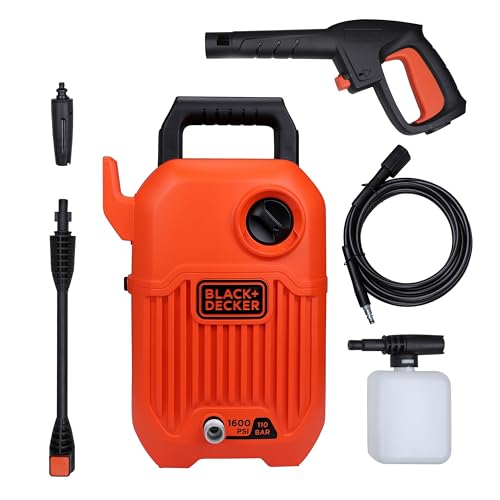
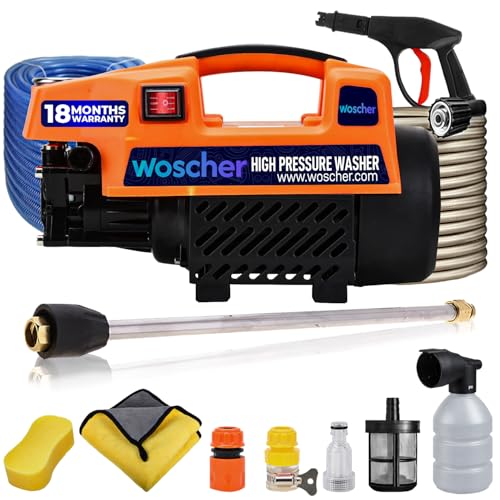
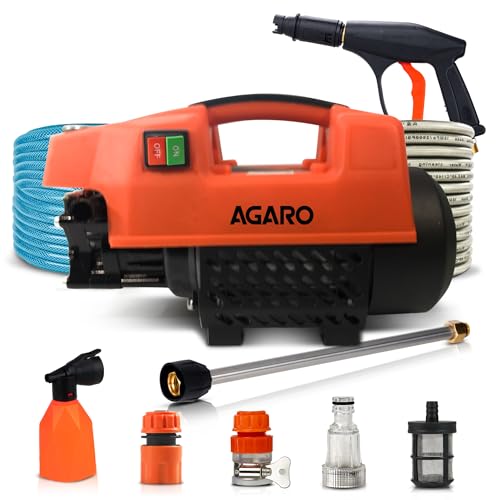
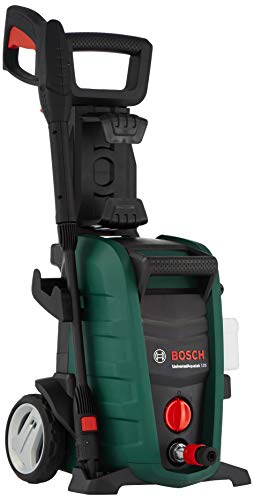
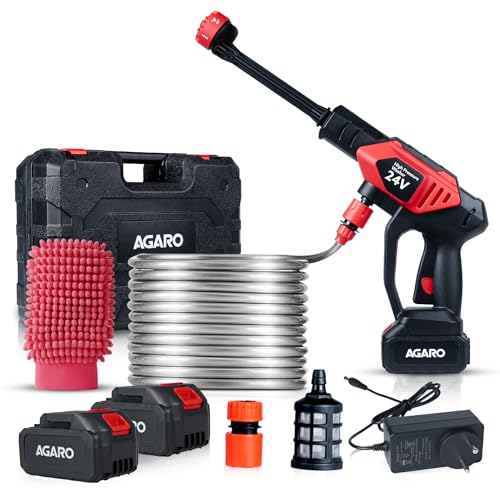
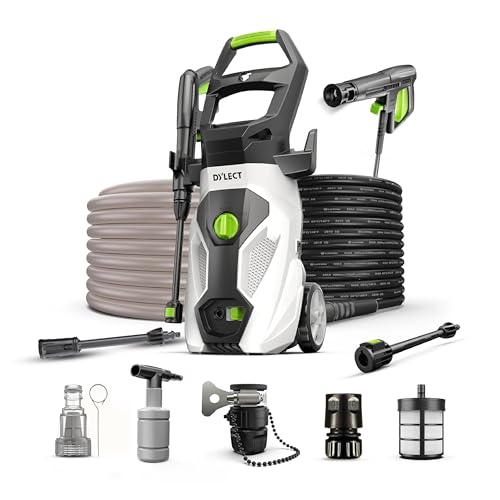
Chcek out Car Washers below